
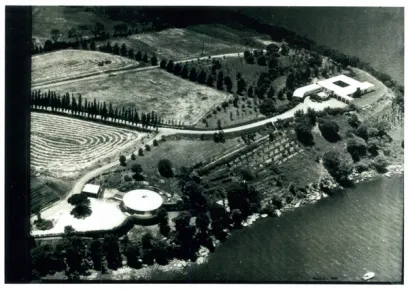

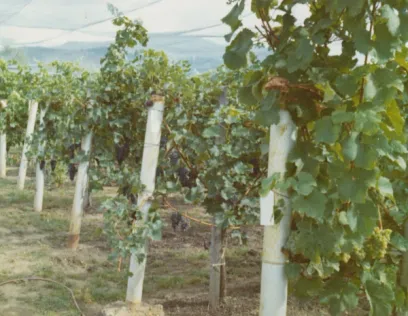
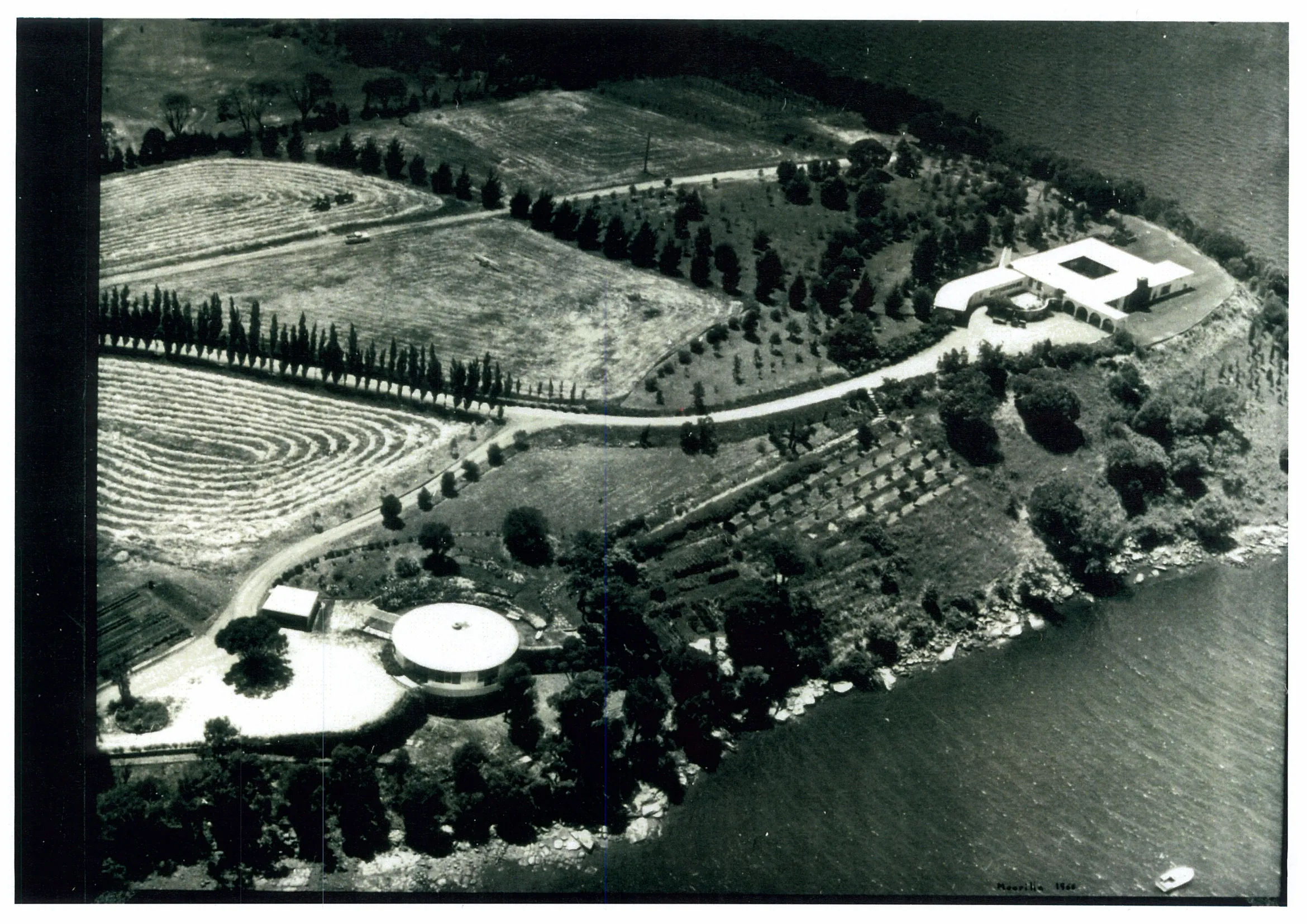
Against the advice of pretty much everyone he talked to, Italian émigré Claudio Alcorso planted the first vines on what would become the Moorilla vineyard.

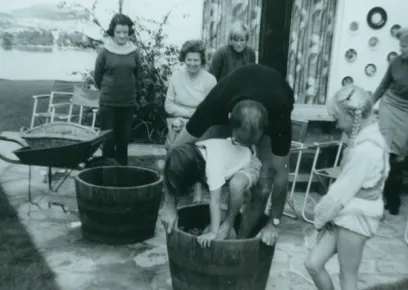

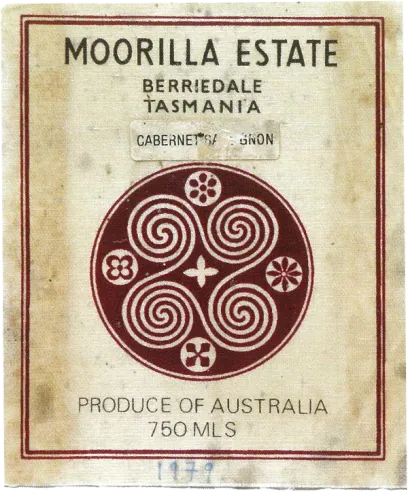

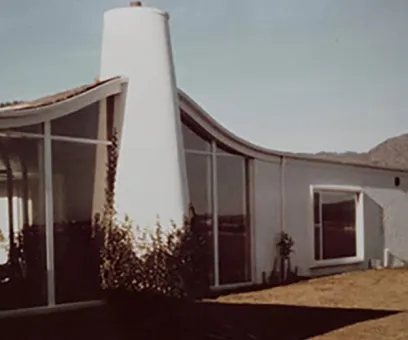
After Moorilla’s first foot-stomped vintage, the winery steadily evolved alongside Tasmania’s emerging wine industry.

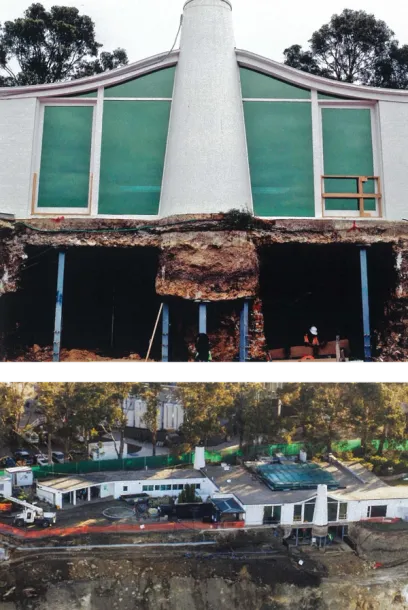

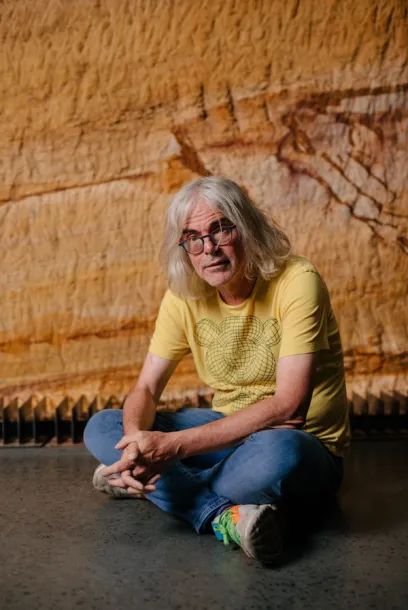

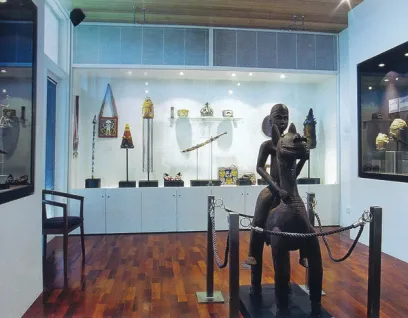
Moorilla’s current evolution began with Tasmanian gambler David Walsh’s purchase of the estate in 1995. David then opened the Moorilla Museum of Antiquities in 1999—a modernist villa turned exhibition space and art warehouse.

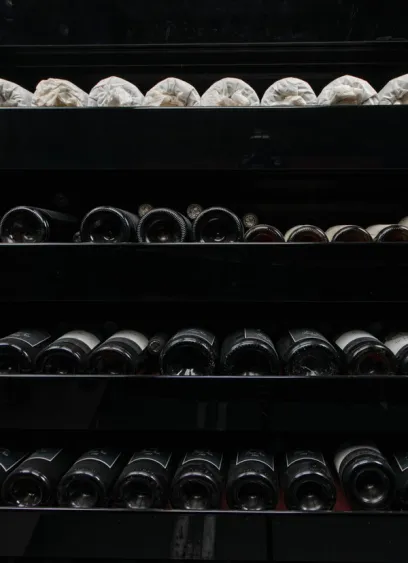

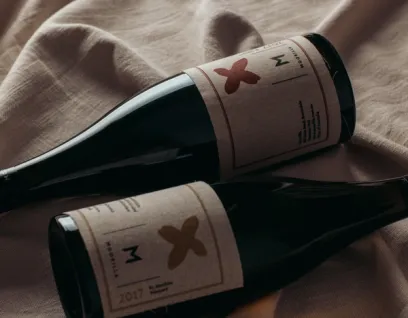
In 2007 David appointed Conor van der Reest as winemaker and together they created a state-of-the-art new winery on the Moorilla peninsula—the same site that would soon become home to David’s world-renowned Museum of Old and New Art (Mona), housing the largest private art collection in the southern hemisphere.


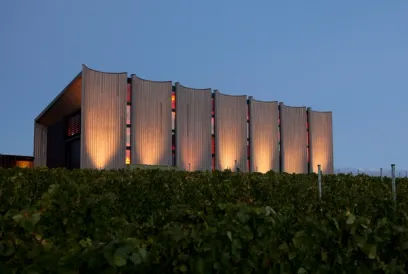
Today, Moorilla is a destination where wine, art and Tasmania’s landscape meet. Drawing fruit from two geographically distinct vineyards—St Matthias in the north and Moorilla in the south.
Origins of a name
Moorilla’s name is a tricky one. When Alcorso wanted to name the winery he’d built, he drew on a source he felt a connection to—the Tasmanian Aboriginal people who had lived on the Country for many thousands of years before he got here, whose tools and middens could still be found on the peninsula.
In his autobiography he talks about feeling a connection to the land, and acknowledges the connection of its original custodians and the genocide inflicted on them—he imagined what the place was like before invasion and tried to keep elements of the flora native, even as he erected a Mediterranean-style villa and planted acres of grapes.
And when choosing what to call the winery, he sought to honour that connection by using what he thought was a Tasmanian Aboriginal word, picking ‘Moorilla’ from what he called ‘a glossary of Tasmanian Aboriginal terms’, where he was told it meant ‘rock by the water’.
Unfortunately, that ‘glossary’ wasn’t made by a Tasmanian Aboriginal person. It was a collation of a collation of a collation of European attempts to translate the language of the people who lived here (‘Moorilla' does not appear in any lists of Tasmanian Aboriginal place names; it does, however, show up in written records in New South Wales, generally meaning 'rock' or 'stone'). So while there may have been a word like Moorilla spoken here once, and it may have had a meaning, it wasn’t the creator of that list’s place to assign one to it, and it wasn’t Claudio’s to take and put on a bottle, and it—like so much Tasmanian Aboriginal culture—has been lost to this place forever.
But Tasmanian Aboriginal people are still here (although the muwinina people, whose country Moorilla and Mona are built on, are not), and their language and culture is still here, and our responsibility in living and working on this land is making sure stories like this story of a name are told.

Our People
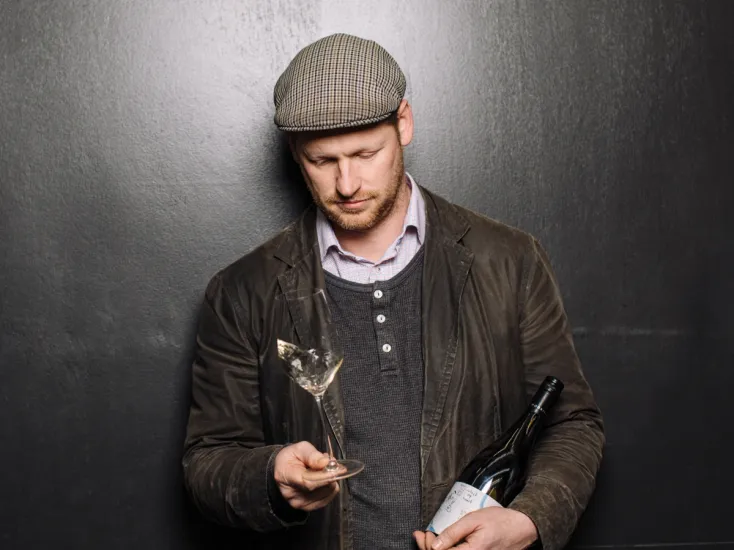
Conor van der Reest
Winemaker
This is Conor van der Reest, plucky Canadian and Moorilla winemaker. Once termed the ‘wild child’ of the wine world (thanks, James Halliday) Conor has earnt his stripes the globe over, delving into the old and new worlds of winemaking everywhere from Ontario’s Niagara Peninsula, Languedoc and Champagne in France, and all throughout Australia’s prime wine country. And now: Berriedale.
A few years after purchasing Moorilla, David Walsh wanted to overhaul the winery. Revive the vineyards. So he lured Conor down south and gave him free reign at Moorilla. ‘Just make stupendous wines,’ said David. So Conor did, establishing Moorilla as a leader in what is now one of Australia’s finest cool-climate wine regions.
Conor favours structural wines with new-world fruit and old-world complexity. His wines are crafted to reveal Moorilla’s terroir, a term that describes a vineyard’s singular sense of place—from its icy river breezes to its ancient soils to its long-ripening fruit—clarified by the hand of the winemaker and captured in liquid-form.

Peter Mueller
Moorilla Vineyard Manager
Peter keeps vineyard operations running smoothly. He’s responsible for developing and implementing annual vineyard management plans—which includes everything from pruning the vines to scheduling the harvest. Peter works closely with Conor to make sure every piece of fruit is the best it can be.
Beppe Persico
Wholesale Manager
Beppe’s the Wholesale Manager for Moorilla and Domaine A. His role tasks him with getting Moorilla wines onto the palates of as many people as possible. Before he joined us in 2021, he operated a vintage car and wine touring business across Tuscany and worked as a Professor of Gastronomy in Florence.
Josh Smith
Assistant Winemaker
Josh is Assistant Winemaker at Moorilla. He started his career at Tim Smith Wines in the Barossa, before stints at Tasmanian Vintners and Thomas Wines in the Hunter Valley. You’ll find him playing an integral role across all facets of winemaking, from crushing and pressing the fruit to checking lab work, ensuring each vintage is progressing well.
Nicola Rogers
Retail Sales & Operations Manager
After getting her start on Victoria’s Mornington Peninsula, Nicola fell in love with Tasmania following a trip here in 2022. She now manages the Moorilla and Domaine A cellar doors, as well as the online store and our wine clubs. She also oversees stock and allocations, handles admin for export orders, helps prepare for any new releases and assists with any other things Conor may need.
Jesse Graffam
St Matthias Vineyard Manager
Jesse got his start in the Yarra at Dominique Portet. After that, he went overseas, with stints in the Napa Valley and New York State. He moved back to Australia, where he spent time in Victorian hotspots Bendigo and the Yarra Valley. Finally, he made his way to St Matthias, where he carefully grows every wine we release.