Winemaking

Our philosophy is all about being adaptable. The decisions we make are based on making a vintage the best it can be.

Old-world tradition, new-world grapes

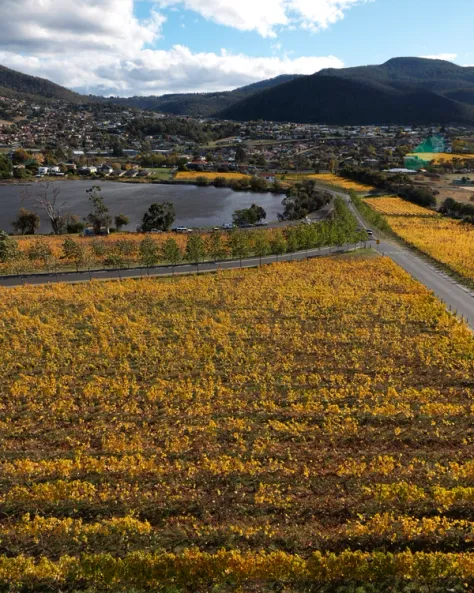
As a small island separate from the mainland of Australia, Tasmania has a well-earned reputation as an exceptional winemaking region. With clean, pure water, mineral-rich soils, long summer days, plenty of rain and lots of hills, Tasmania can claim some of the most varied and interesting cool-climate terroir in the country. It has long attracted passionate and skilled winemakers seeking the perfect spot to ply their craft.

Using grapes from two geographically distinct vineyards (Moorilla in the south, St Matthias in the north), we create three very different wine series: Cloth Label, Muse, and Praxis.

Our approach is without compromise.

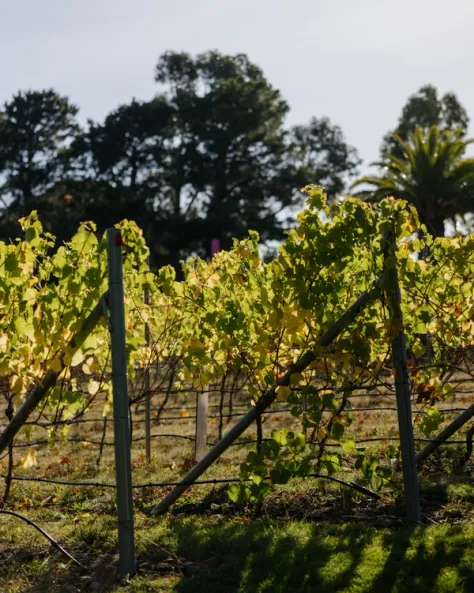
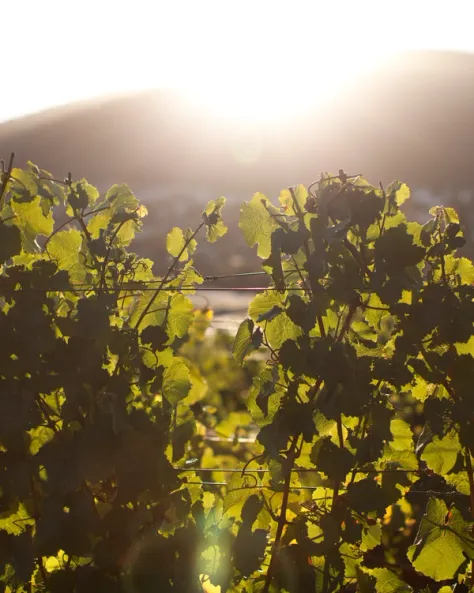
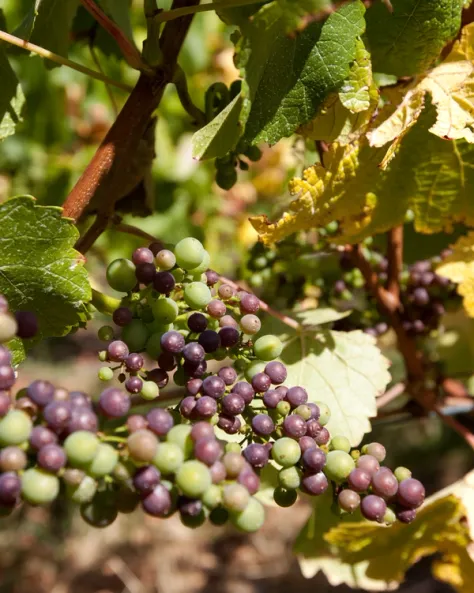
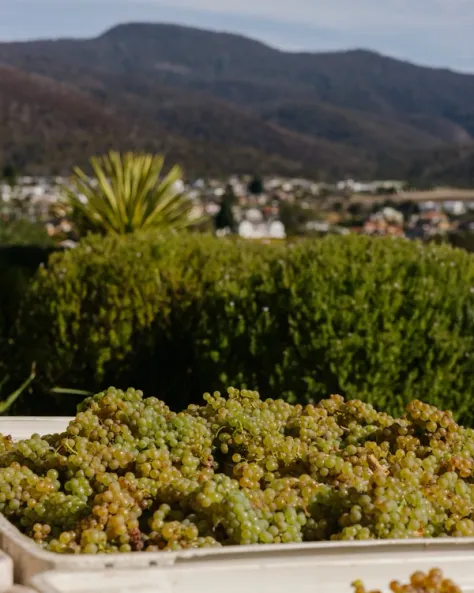
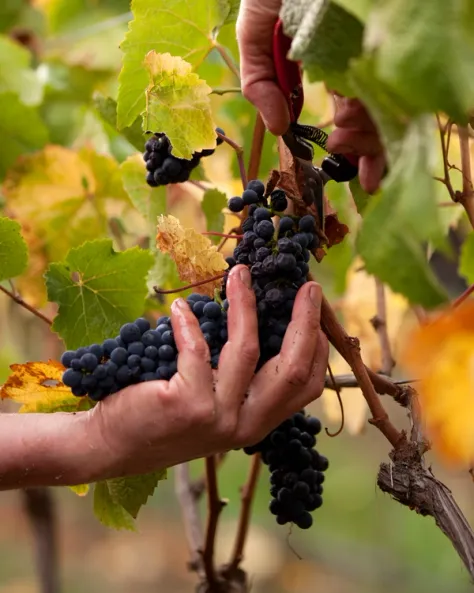
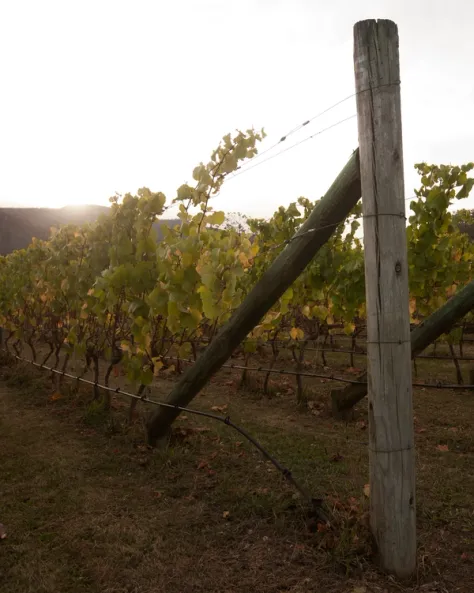
If the fruit isn’t perfect, the wine doesn’t get made. In this age of instant gratification, we only release wines at their best. And that can take years. Our dedication runs full circle. Vines are hand-plucked, hand-tied and hand-picked during the cool days of autumn. Wines are pressed down by hand. And by hand, our barrels are racked through the year. From spring bud burst to our bottles leaving the winery, precision and care shape our process.

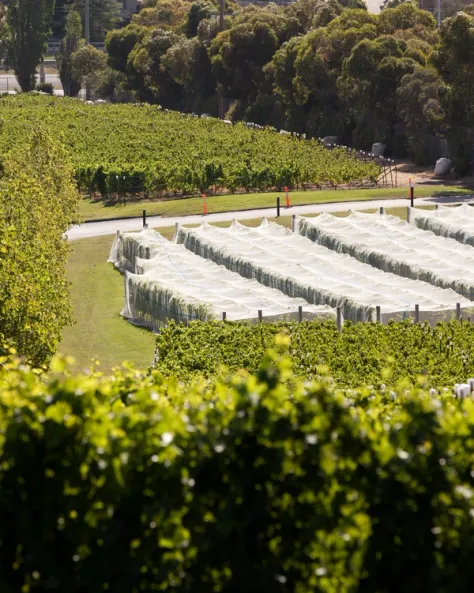
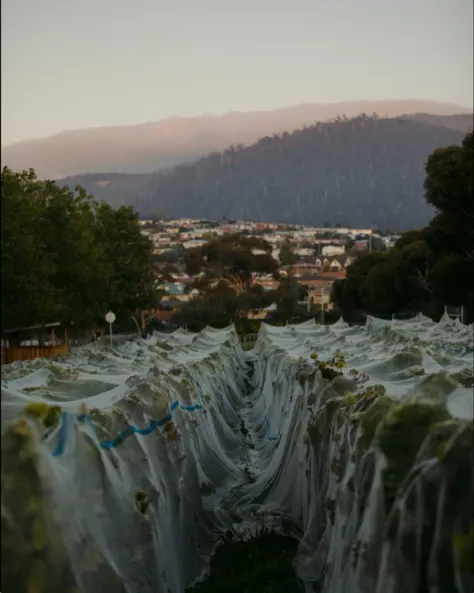
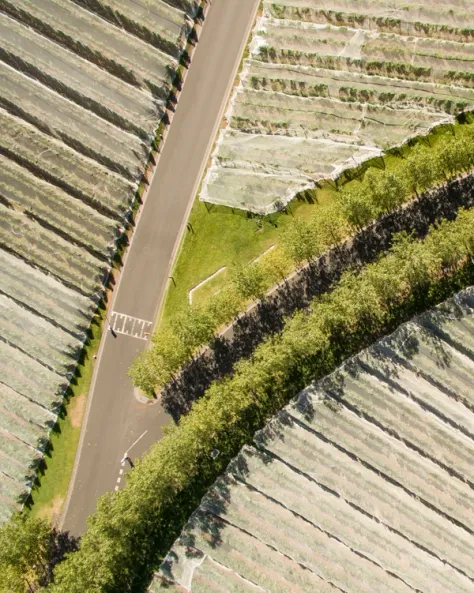
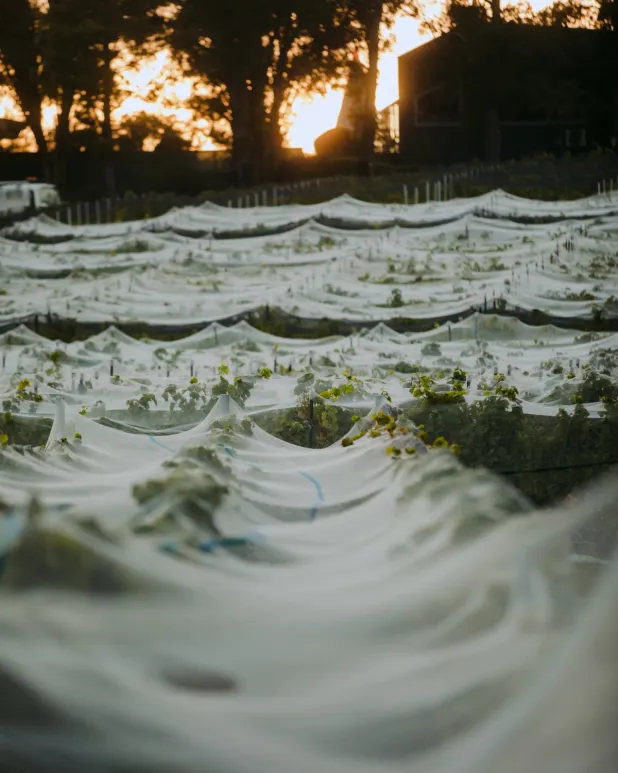
An expansive vineyard covered in white protective netting that creates a wavy, flowing pattern across the rows. Golden sunset light shines through trees and behind a dark building in the background.

Vineyard profiles

  • Moorilla

    42° 48’ 43.67” S
    147° 15’ 39.17” E

    Moorilla’s westerly aspect makes it something of a rarity in Tasmania, but the slope of the land is quite shallow so we still see good sunlight. Soils at Moorilla are very dry, which means yearly water availability and rainfall have a big bearing on both yields and ripening speed across the vineyard— ordinarily with a vineyard of this size (two hectares) you’d expect to be picking it all simultaneously, but with the variations we see across parcels we can be picking for three weeks.

  • St Matthias

    41° 20’ 16.73” S
    147° 0’ 55.27” E

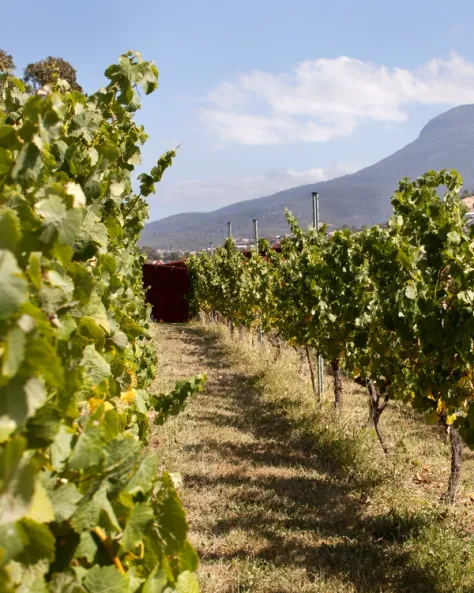
    Sitting on the rising west bank of the Tamar River, the east-facing site receives full sun, which is tempered by near-constant cool breezes—helping to ensure long and cool ripening conditions. Soils are varied but fertile across the entire site, and this—coupled with a 110-metre rise in altitude across the site—means we can see significant variation in ripening and yields from one area to the next (just like Moorilla).

    St Matthias is a stellar site for producing fruit- driven and acid-balanced wines, giving plenty of ripe varietal characters offset by delicate, natural vitality and acidity.

Current activity

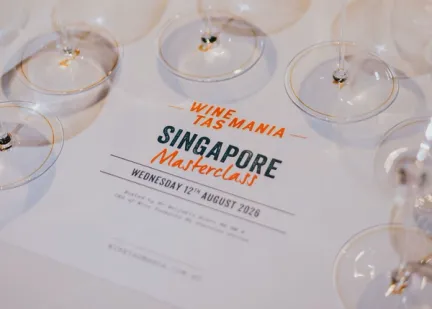
An overhead view shows empty wine glass bases arranged over a tasting sheet titled "Wine Tasmania Singapore Masterclass." Text printed on the sheet indicates the event date as Wednesday 12th August 2026.

Moorilla in Singapore

Moorilla recently joined Tasmania’s leading producers in Singapore, showcasing the island’s cool-climate wines to the region’s wine trade and media. Conor presented the 2019 Muse Extra Brut Rosé, alongside leading Tasmanian sparklings, Chardonnay and Pinot noir—a proud opportunity to showcase Tasmania on the world stage. (Photo credit: Colossal Pro | Wine Tasmania)

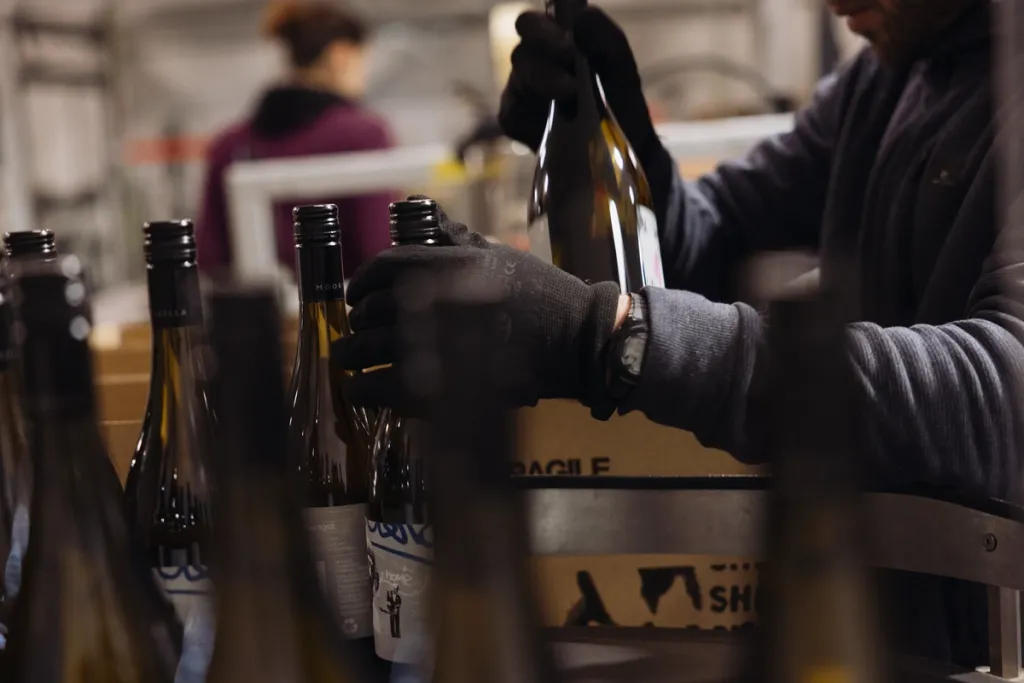
A person wearing black gloves carefully inspects and handles wine bottles with artistic labels along a production or packaging line.

A busy spring in the winery

There’s plenty happening behind the cellar door, too. Disgorging of our sparkling wines will begin in late September, while next week we’ll be bottling the 2025 Muse Sauvignon blanc and Muse Chardonnay, alongside the 2026 Praxis Chardonnay Musqué and Praxis Sauvignon blanc.

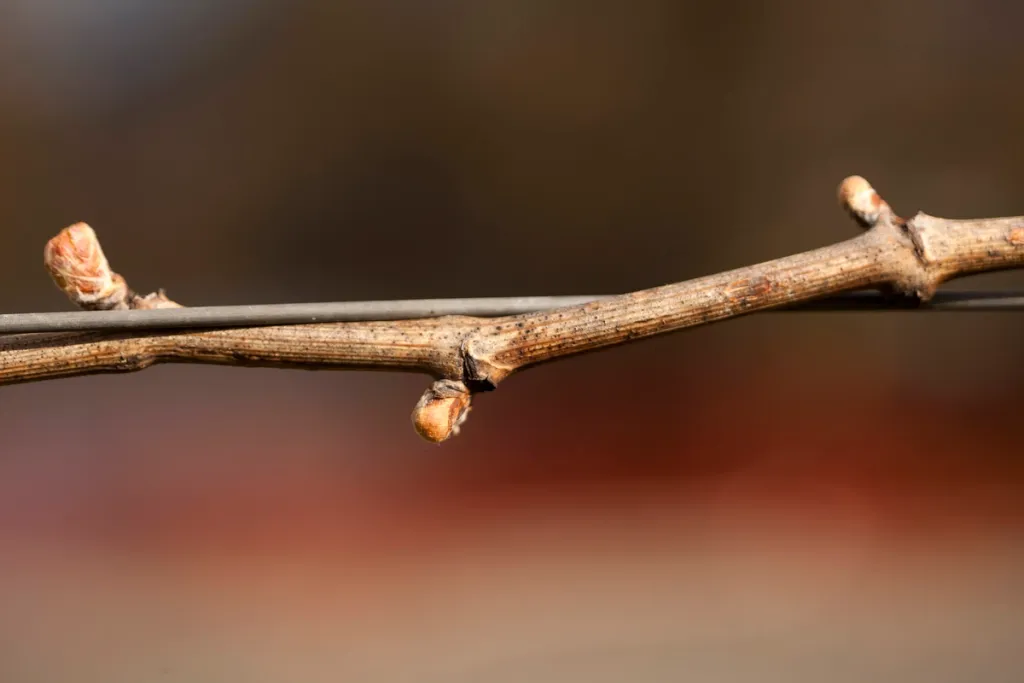
A close-up shot of a dormant grapevine branch with small emerging buds, trained horizontally along a thin metal trellis wire.

Pruning wraps up across the vineyards

Winter pruning is nearly complete, with the team starting the careful work back in mid-June. The vines are now pruned and tied down, ready for the growing season ahead, while the final vineyard jobs focus on maintenance and mulching the remaining prunings at St Matthias.

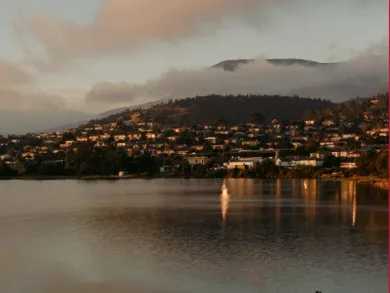
A tranquil waterfront view looking across a wide body of water toward a hillside suburb illuminated by warm evening sunlight. Low-lying clouds drift over dark mountain ridges in the distance.

Spring is on its way

After another relatively mild winter, we’re keeping a close eye on the vineyards for an early budburst. The pear and cherry blossoms are usually our first sign that things are waking up, with budburst typically following around three weeks later at Moorilla.

Vintage reports

2026

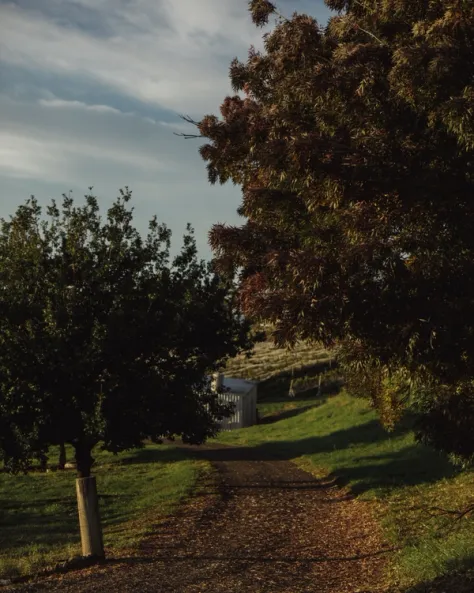
A dirt pathway lined with leafy trees winds downhill past a small shed toward a grassy slope under a partly cloudy sky.

The 2026 Southern Tasmania vintage was characterised as a late, slow-ripening season that produced exceptional fruit quality. A cooler-than-usual spring and persistent cloud cover delayed harvest by up to five weeks. This extended maturation period resulted in pristine fruit with outstanding flavour concentration and natural acidity balance, particularly in Pinot noir and Chardonnay. Harvesting for table wines extended into late May.